
Cybersecurity Best Practices for Remote Work and Hybrid Workplace (2023)
As remote work and hybrid workplace models become more prevalent, ensuring the security of your organization’s data and systems is crucial. Here are key cybersecurity best practices for remote work and the hybrid workplace:
Secure Network Connections
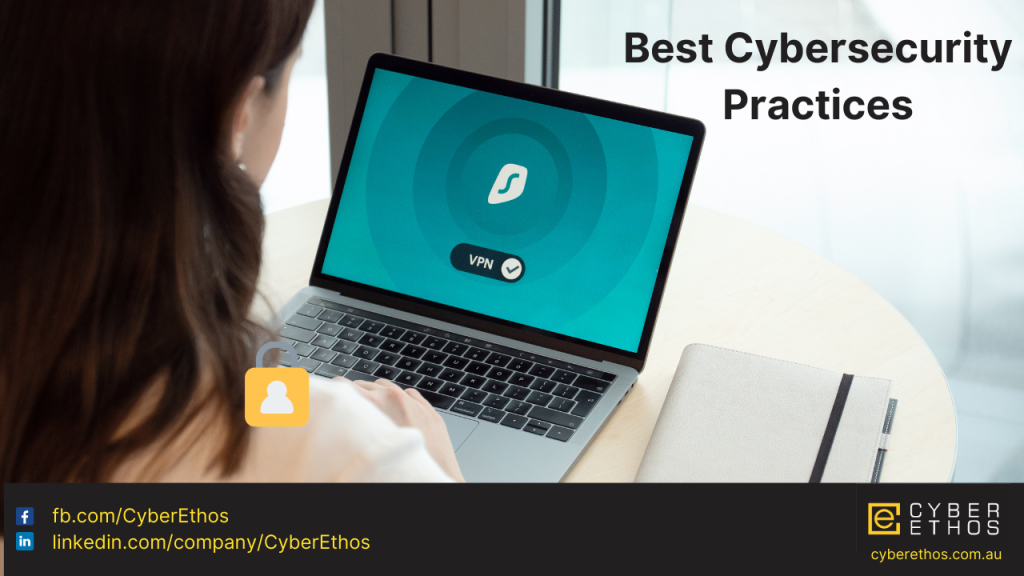
- Encourage the use of Virtual Private Networks (VPNs) to encrypt internet connections and protect data in transit.
- Implement strong encryption protocols for remote access, such as HTTPS and SSH.
Multi-Factor Authentication (MFA)
- Require MFA for accessing corporate systems and applications to add an extra layer of security to user authentication.
Endpoint Security
- Deploy and maintain robust endpoint security solutions on remote devices, including antivirus, anti-malware, and intrusion detection systems.
- Keep operating systems and software on remote devices up to date with security patches.
Access Control
Enforce the principle of least privilege (PoLP) to restrict access to only what employees need to perform their job functions.
Secure Remote Desktop Protocol (RDP)
If RDP is necessary, restrict access to authorized personnel and consider using VPNs or Network Level Authentication (NLA) for added security.
Secure Wi-Fi Networks
Ensure that home Wi-Fi networks are secured with strong passwords and WPA3 encryption to prevent unauthorized access.
Remote Device Management
- Use mobile device management (MDM) solutions to remotely configure, monitor, and manage employee devices.
- Implement remote wipe capabilities in case a device is lost or compromised.
Data Encryption
Encourage the use of encryption tools and protocols for sensitive data stored on remote devices, and for data in transit.
Secure File Sharing and Collaboration Tools
- Use secure, organization-approved tools for sharing and collaborating on documents and data.
- Educate employees on the importance of not sharing sensitive data outside of secure channels.
Regular Software Updates and Patch Management
Ensure remote devices are regularly updated with security patches and updates.
Phishing Awareness
Train employees to recognize and avoid phishing emails and social engineering attacks that often target remote workers.
Secure Video Conferencing
Use secure and privacy-focused video conferencing platforms, and enable meeting passwords and waiting rooms to prevent unauthorized access.
Secure Printing
Implement secure printing solutions to prevent sensitive documents from being left unattended on home or hybrid workplace printers.
Data Backup and Recovery
Maintain regular backups of critical data and test data recovery processes to ensure business continuity in the event of data loss or a cyberattack.
Incident Response Plan
Develop a remote work-specific incident response plan that outlines procedures for responding to security incidents and data breaches.
Remote Work Policies and Agreements
Establish clear remote work policies and agreements that outline security expectations, including device usage, data handling, and reporting security incidents.
Regular Security Training
Conduct ongoing security training and awareness programs to keep remote and hybrid workers informed about the latest cybersecurity threats and best practices.
Privacy Considerations
Ensure compliance with data privacy regulations and protect employee privacy, especially in hybrid work environments.
Third-Party Security
Assess the security practices of third-party tools and services used for remote work, such as cloud storage providers, and ensure they meet your organization’s standards.
Regular Security Audits and Assessments
Conduct periodic security audits and assessments of remote work setups to identify vulnerabilities and areas for improvement.
By implementing these best practices and maintaining a proactive approach to remote work and hybrid workplace security, you can help mitigate potential cybersecurity risks and protect your organization’s sensitive data and systems.